Grower's Guide - May - written by Chef Consultant, Celia Brooks
Broccoli BFF
Poor old broccoli. It’s burdened with an unfair cultural stereotype: it’s the vegetable mascot for many kids’ hatred of eating their greens. People who hate broccoli are quite outspoken about it, I find. US President George Bush Sr. famously declared soon after taking office in 1990, “I do not like broccoli! I haven't liked it since I was a little kid and my mother made me eat it. And I'm President of the United States, and I'm not going to eat any more broccoli!” This comment prompted rebellion from California broccoli farmers while simultaneously endearing him to millions. So broccoli even had a short infamy as a political issue in the free world. But no amount of bad PR can ever take this stupendous vegetable down.
Everyone knows broccoli is good for you, so that fact alone makes some people recoil from it right off the bat. Like all of its extended family members in the cabbage clan, overcooking it causes chemical changes that release sulphurous compounds and make it taste bad. I can see how a child who has tasted badly cooked broccoli would never go near it again. It should be cooked in intense heat for a short time to deliver its best qualities.
For those who love it, I share your passion deeply. Broccoli is the one vegetable I always have to have in the fridge. As a voracious herbivore, I feel I need to eat it every day if possible, and it’s super quick and mindless to prepare. It’s my rescue remedy and also my best pal. Broccoli is my SuperVeg BFF, without question.
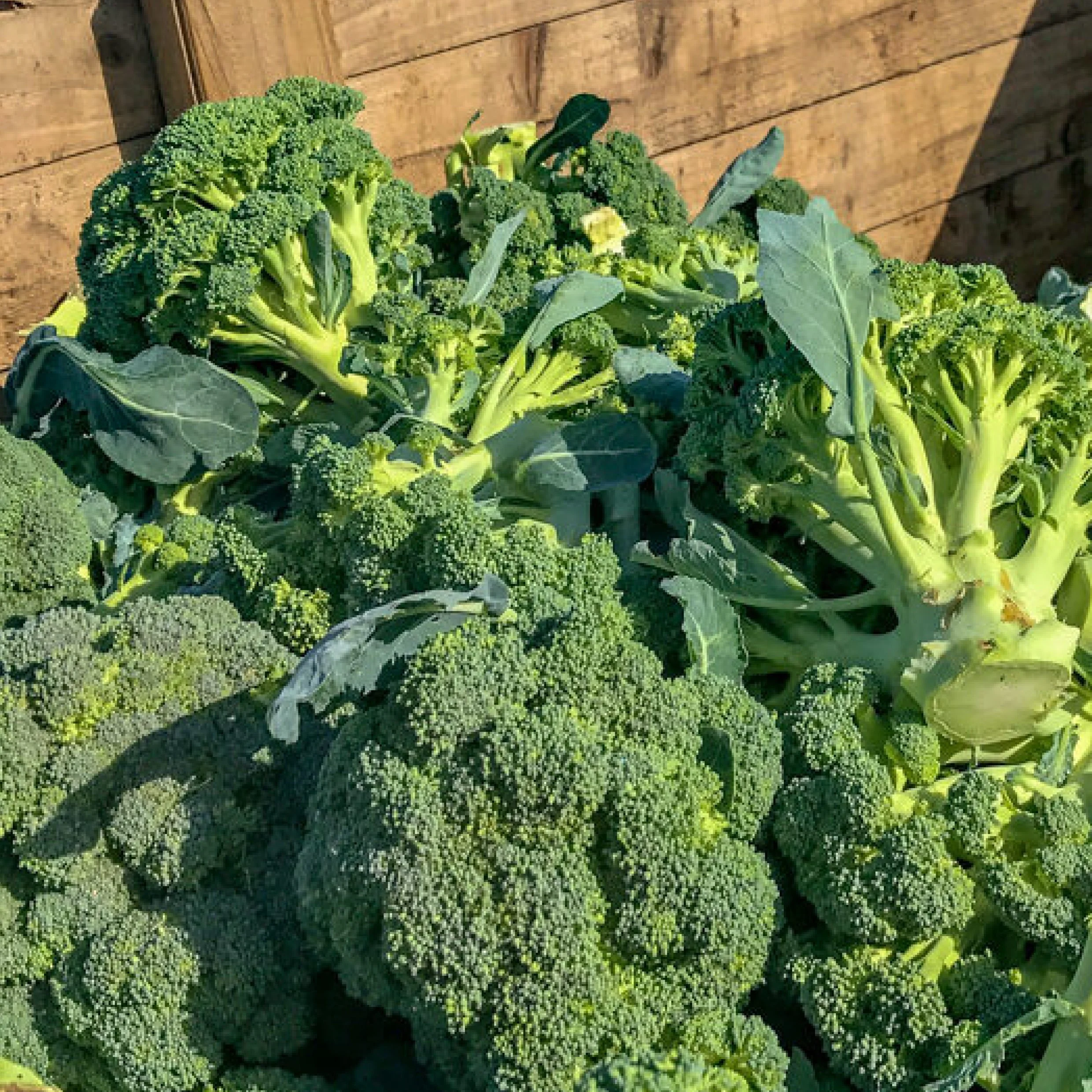
Broccoli florets are clusters of tiny little flower buds. Any leaves attached are good to eat too. Don’t forget the stem, which will deliver several more delicious edible pieces from its tender core, one of the sweetest parts of the vegetable! To tackle the stem, think of the broccoli as a tree, and the stem as the trunk. Carefully pare away the outer “bark” of the trunk to reveal the pale sweet flesh underneath.
Broccoli has an extremely high concentration of multiple phytonutrients with anti-inflammatory and anti-cancer properties, for disease protection and eye health. Eating your broccoli really can extend your life, so eat it up!
Whizzed raw: I call it Microbroccoli (see recipe below) - a lovely and easy way to eat broccoli raw.
Microwave steamed: The most convenient and quickest cooking method. You’ll need to work out the right timings for your microwave – if it overcooks or too much water is used, it gets stringy. For my 800w oven, I use about 300g florets for two people, with just the water left on it from washing it, or about a teaspoon more it it’s dried off, plus a little sea salt, in a microwave-safe container with a breathable lid. Two minutes on high power and standing for 1 minute and it’s done to perfection.
Roasted: Broccoli’s tiny buds taste wonderful when roasted until crisp. Place florets in a sealable plastic bag and add a little oil. Seal the bag and massage the oil thoroughly into the broccoli. (You can also add a little flavouring to the bag if desired such as crushed garlic or chilli flakes.) Spread the broccoli in one layer on a lined baking tray, sprinkle with salt and roast at 225C for about 15 - 20 minutes, or until the tops are deep golden and crisp.
Broccoli on the barbie: Cut large pieces so they are easier to turn and won’t fall through the grill bars. Prepare as for roasted, above. Turn over the coals until nicely charred.
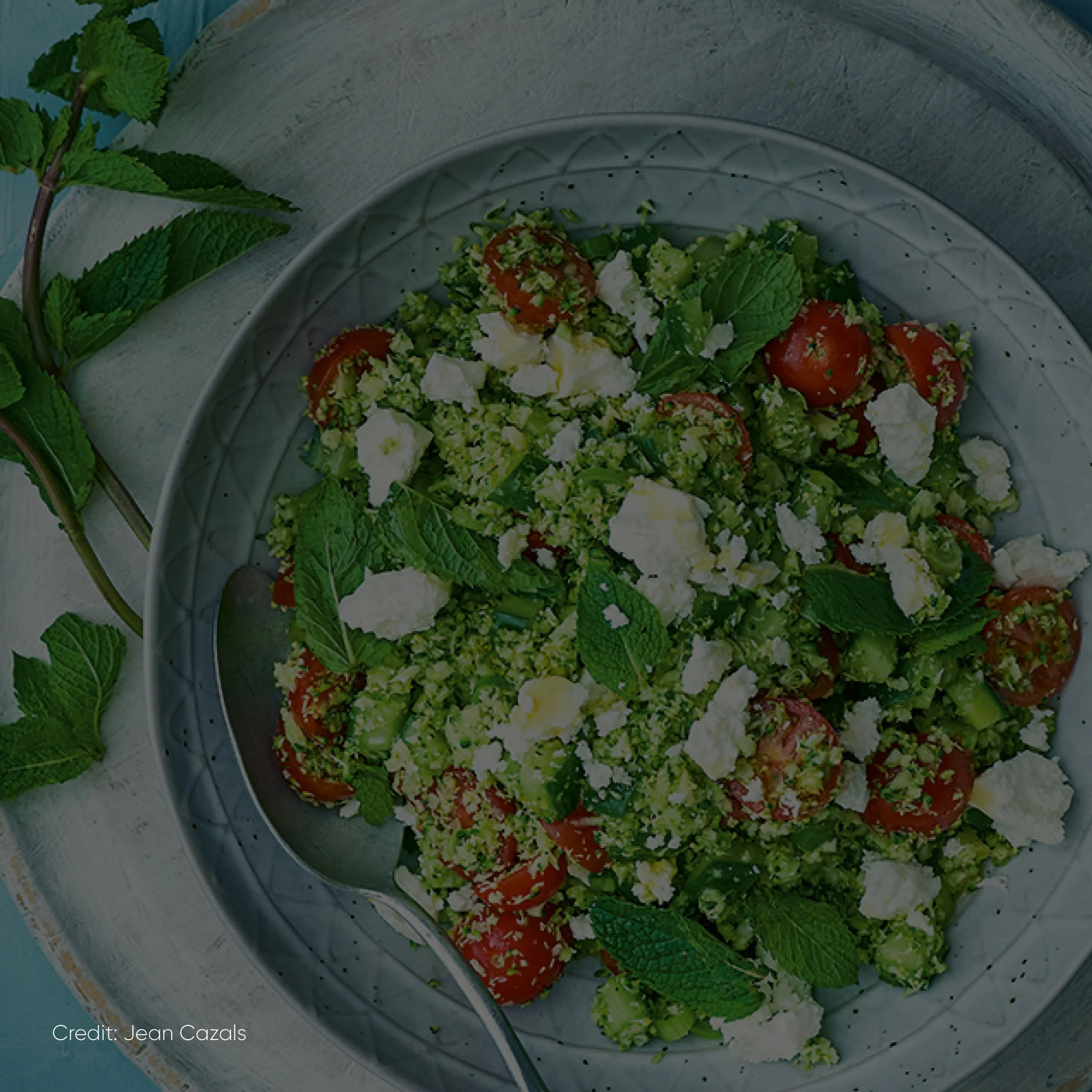
Micro-broccoli Super-tabbouleh
From “SuperVeg” by Celia Brooks
Microbroccoli is my name for raw broccoli whizzed to crumbs in a food processor, reducing it to its most easily consumable form (no jaw work). It can stand in for grains in grain-based salads (as it does here, standing in for bulgur wheat). It also works beautifully in a 50:50 ratio with quinoa as a basic side dish. It’s alluringly green and you won’t even notice you are consuming a large quantity of raw broccoli, which resides near the top of the list of nutrient powerhouse vegetables, and does have extra benefits to being eaten raw.
The addition of feta makes this already dense and filling salad a complete light meal, but if you prefer a purely plant-based side salad, it can be left out.
Serves 4-6
Ingredients
200g broccoli florets (from about one average head)
3 spring onions, sliced
100g cherry tomatoes, halved
1 baby cucumber, or 1/3 regular cucumber, diced
large handful parsley, leaves stripped and chopped
45ml lemon juice
60ml extra virgin olive oil
sea salt
100g feta cheese (optional)
large handful mint leaves
Method
1) Place the broccoli in a food processor and whizz until reduced to crumbs the size of couscous. Scoop into a mixing bowl.
2) Stir through the remaining ingredients except the feta and mint. Taste for seasoning and transfer to a serving platter or individual plates or bowls.
3) Crumble the feta over the top, then tear the mint leaves over to finish. Best served right away.