From Soil to Supper: A Cotswolds Foodie Tour with Sally Abé
Field to Fork: Exploring Sustainable Food in the Cotswolds
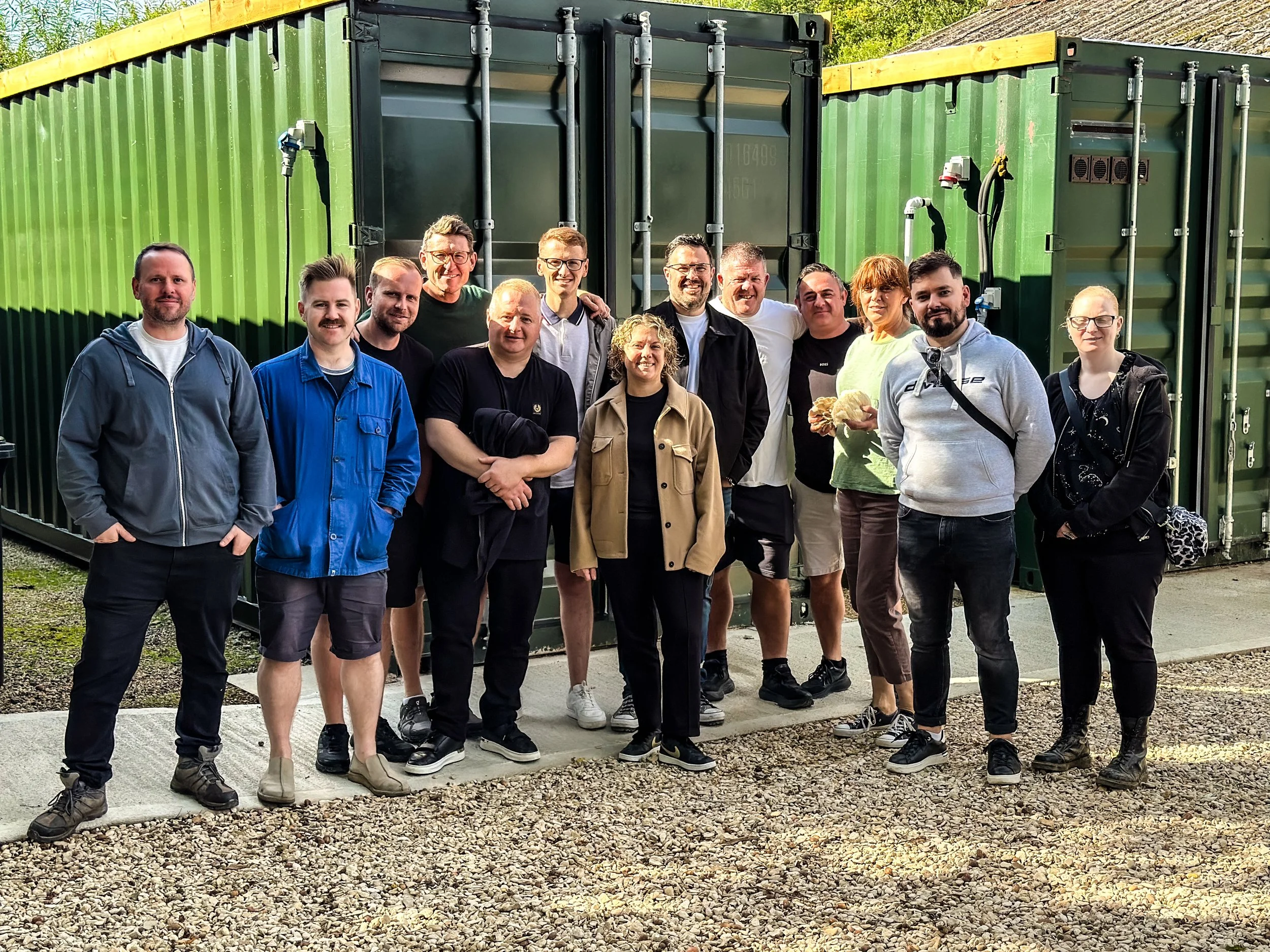
Spending a day in the Cotswolds with chef Sally Abé is always going to be special, but this trip was about more than just good food. It was about understanding where that food comes from, the people who grow it and the sustainable practices shaping the future of dining.
This was a day that celebrated innovation, regeneration and the very best of British produce.
First Stop: Tumblebugs, A Carbon-Negative Mushroom Farm
Nestled in the heart of the countryside on the grounds of Blenheim Palace, Tumblebug is far from your average mushroom farm. This pioneering business is on a mission to be carbon negative, removing more carbon from the atmosphere than it produces.
Their secret? Biochar.
Biochar is made by heating food waste in the absence of oxygen, a process known as pyrolysis. This locks away carbon and creates a nutrient-rich, charcoal-like substance that Tumblebugs use to enrich their growing medium. The result is a circular system that turns waste products from the palace into valuable sources of energy.
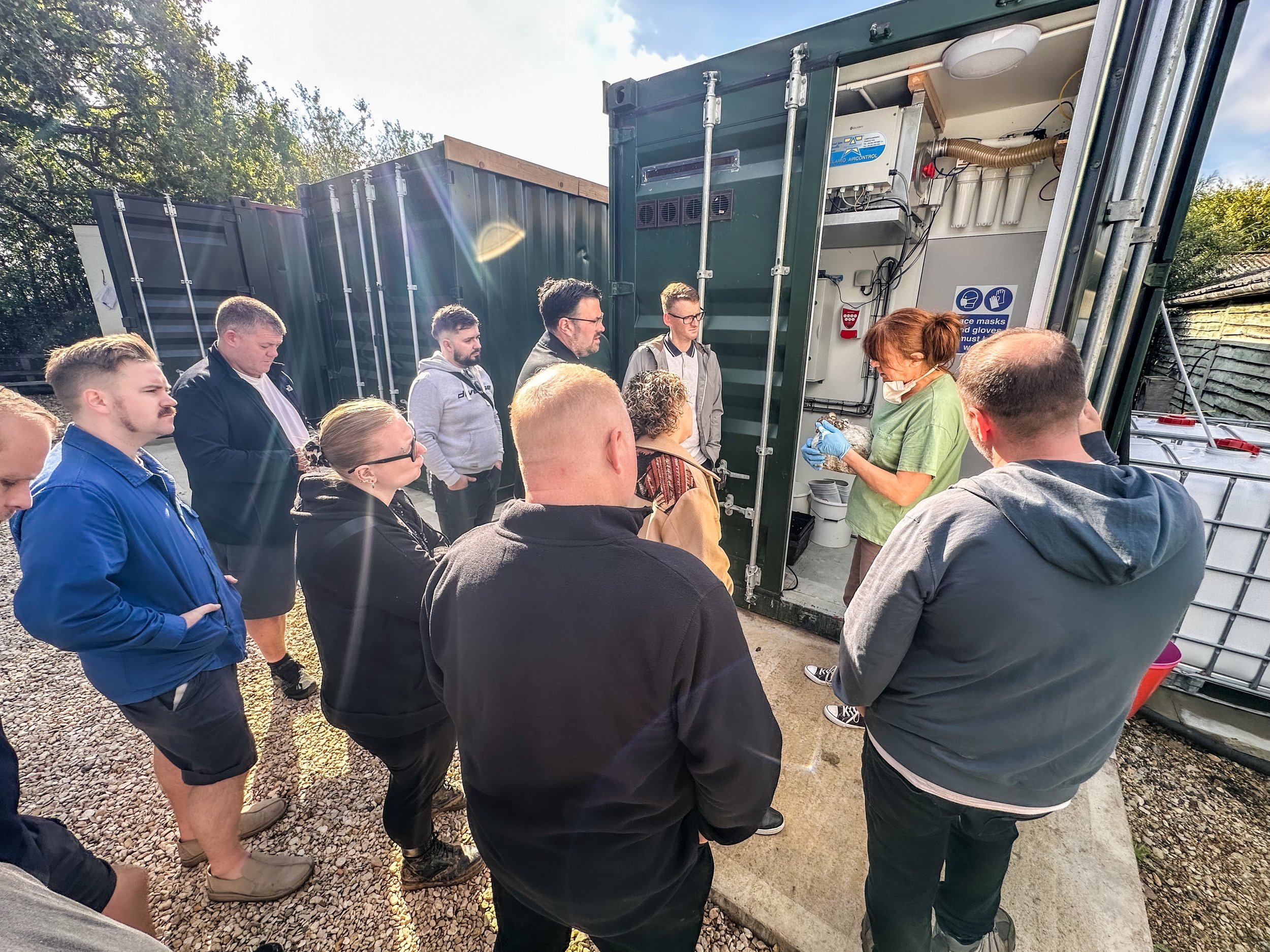
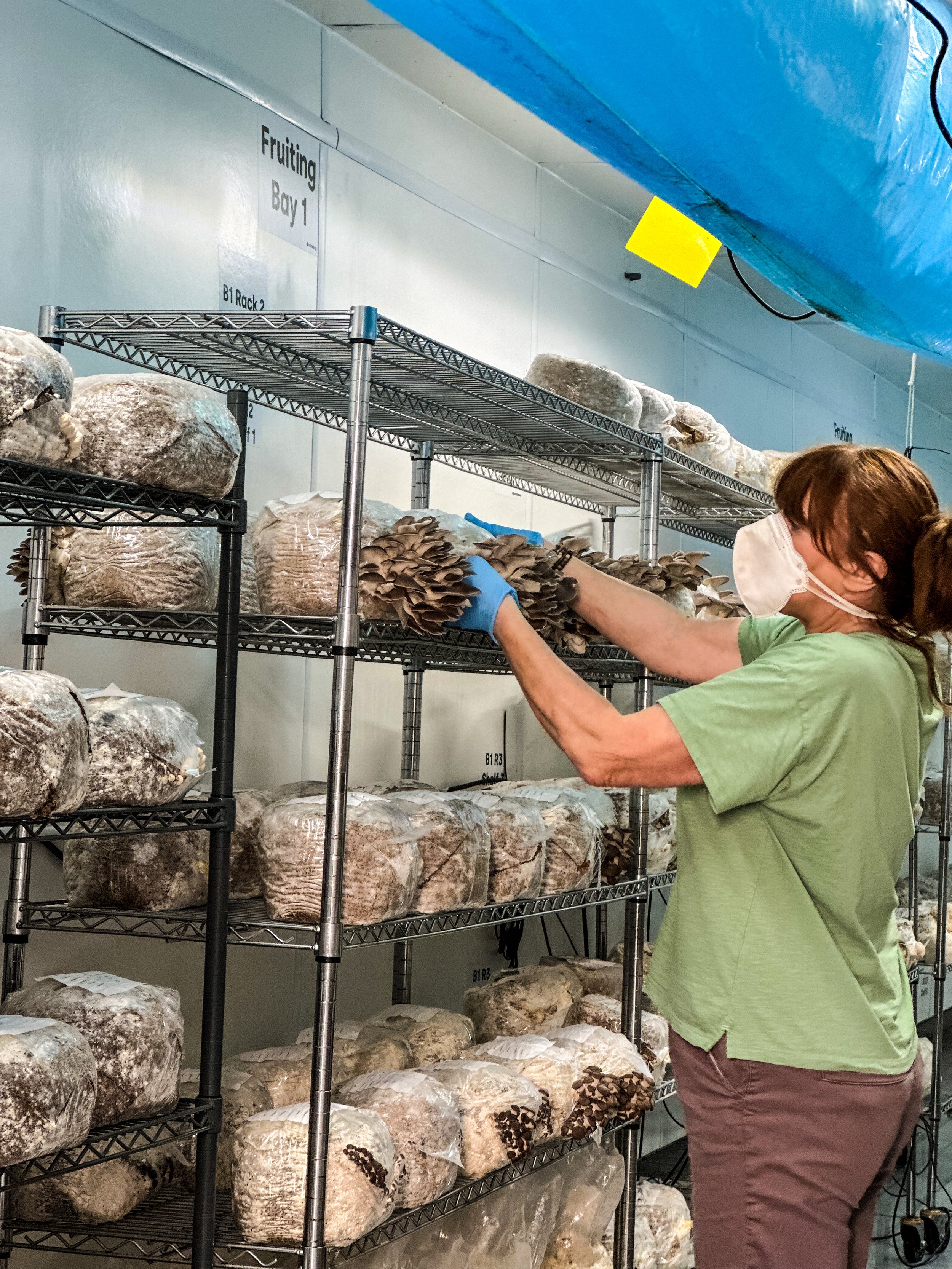
Walking through the farm, we saw rows of mushrooms thriving in this carefully controlled environment. We learnt how the farm recycles its growing medium, uses minimal water and designs its operations to have the smallest possible footprint.
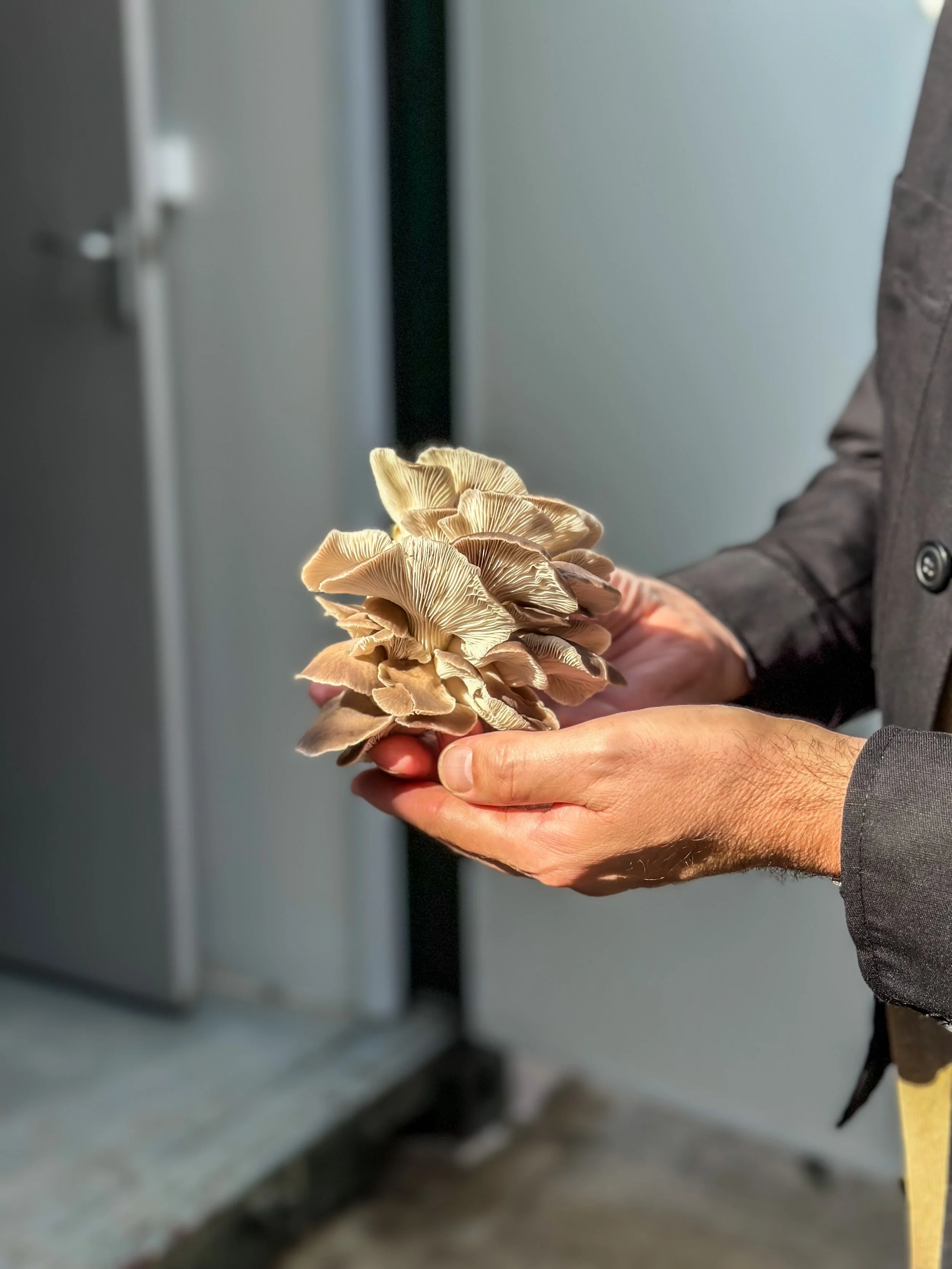
It was an inspiring example of how food production can be regenerative rather than wasteful. It left us thinking differently about the humble mushroom and its potential to play a bigger role in sustainable diets.
Second Stop: FarmEd, Regenerative Agriculture in Action
From futuristic fungi to farming that feels beautifully timeless, our next stop was FarmEd, an educational hub and working farm dedicated to regenerative agriculture.
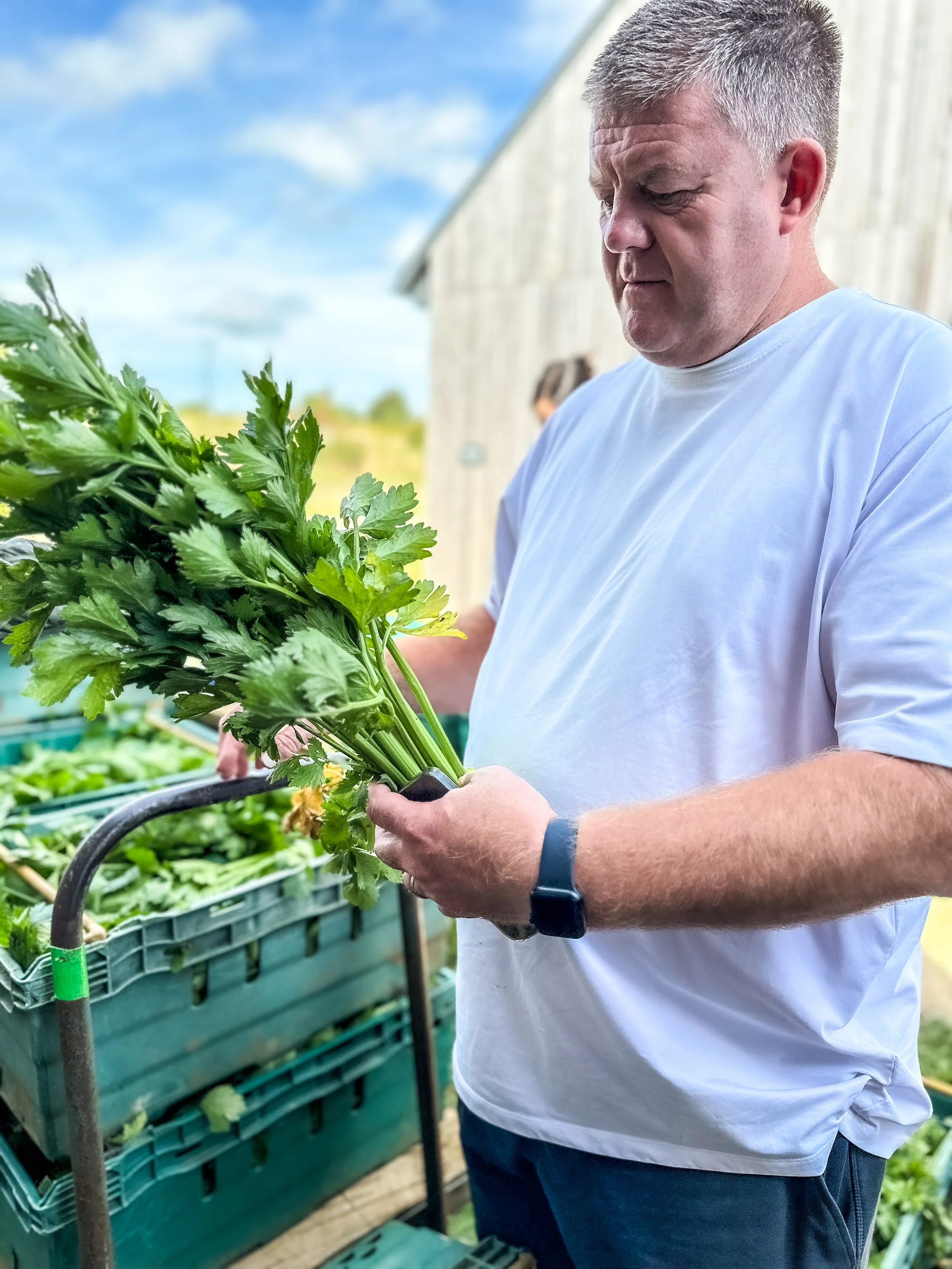
Here, the focus is on building soil health and creating biodiversity that can be sustained for generations. FarmEd’s fields are alive with mixed crops, cover crops and wildflower strips that attract pollinators and improve the ecosystem.
We explored their polytunnels filled with seasonal vegetables and heard about their mission to inspire farmers, chefs and communities to adopt smaller scale regenerative practices.
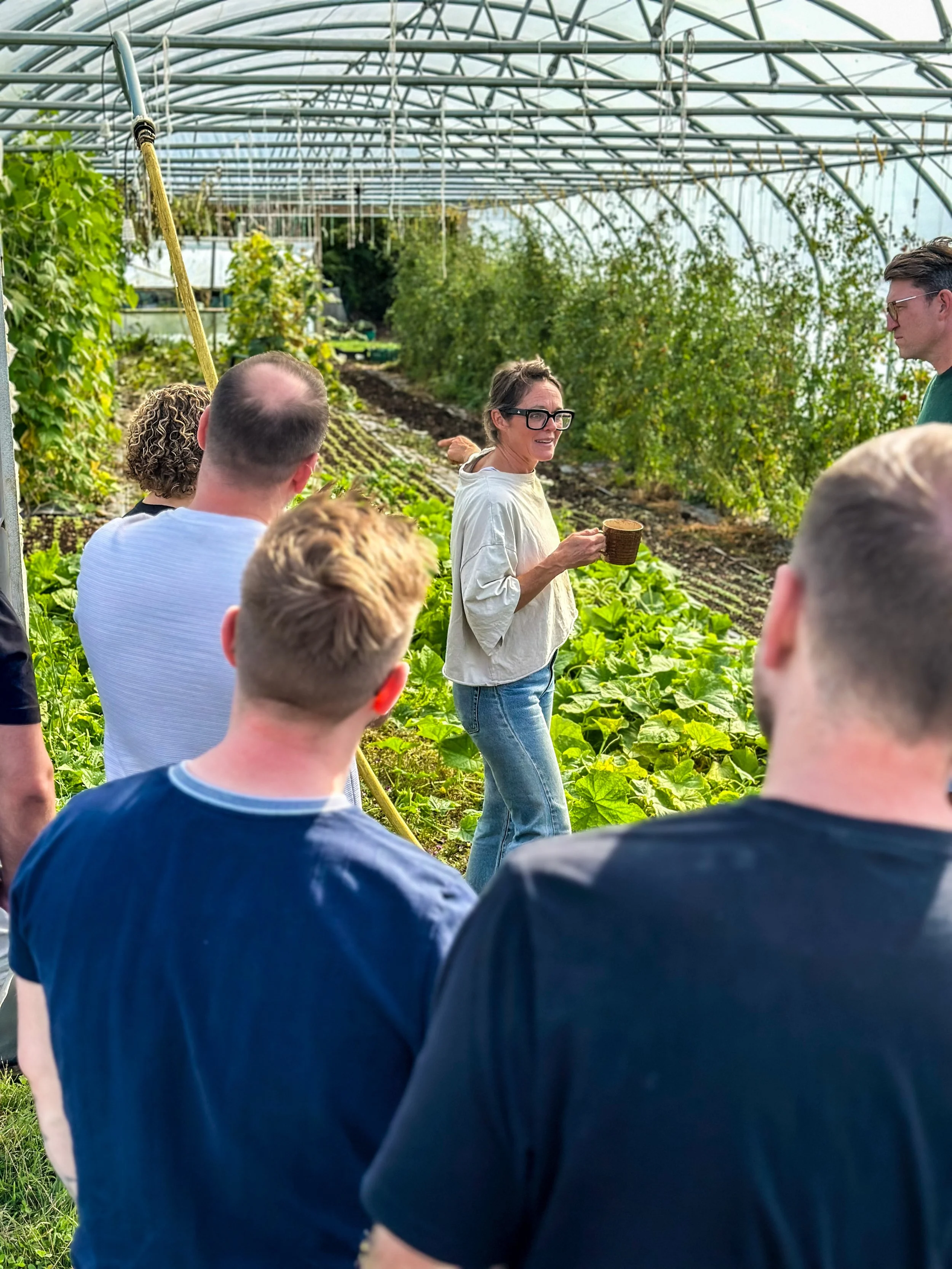
What struck us most was their commitment to community connection. FarmEd does not just grow food, it shares knowledge, hosting workshops and events to teach others how to farm in harmony with nature. Their produce is sold locally, meaning minimal food miles and a positive impact on the rural economy.

Final Stop: The Bull Charlbury, From Garden to Plate
We ended the day at The Bull Charlbury, exploring their impressive kitchen garden at Bruern Farm. With rows of seasonal vegetables, fragrant herbs and edible flowers with the garden supplying over 10 per cent of the pub’s weekly menu, truly “from field to fork”.
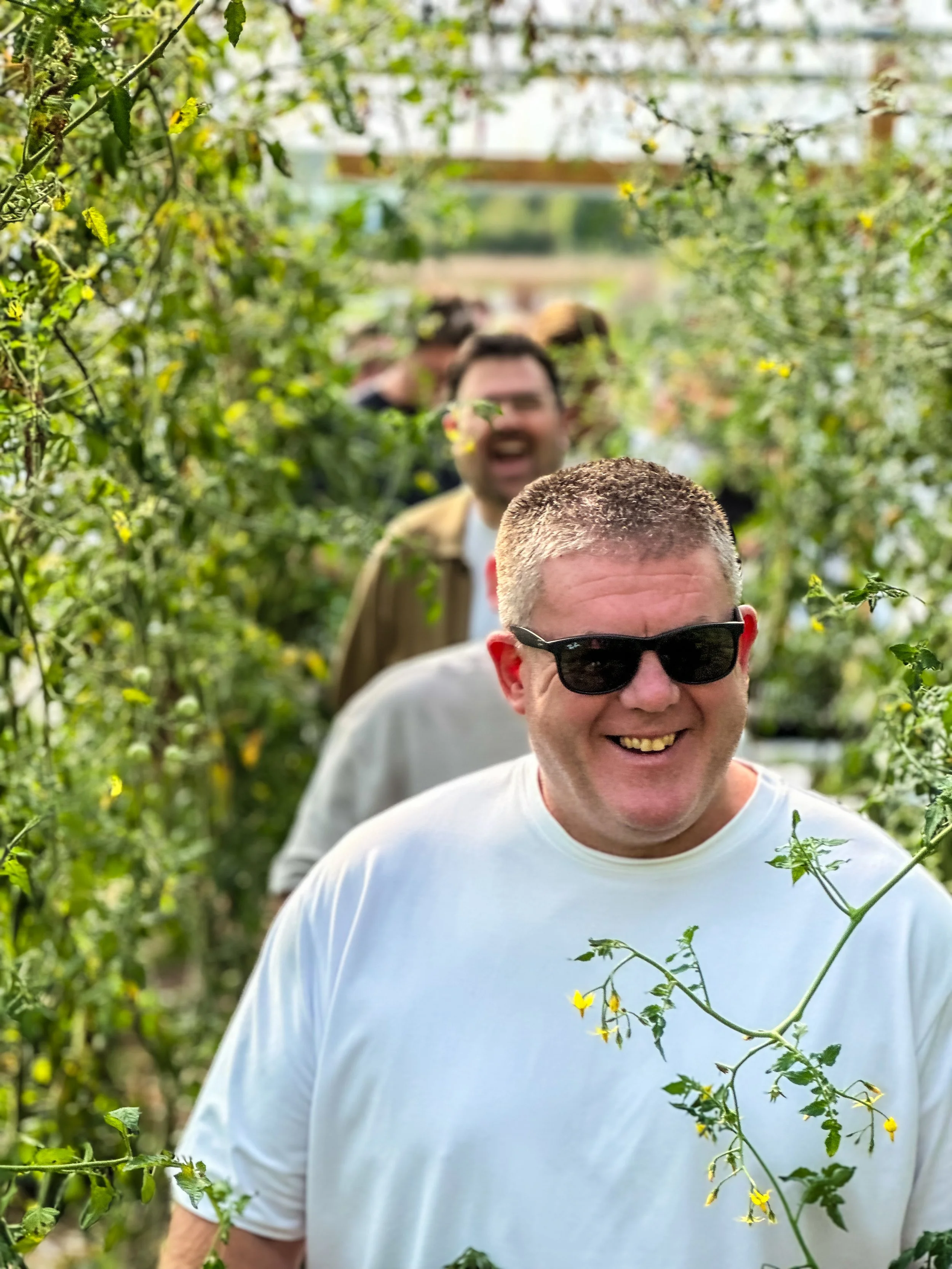
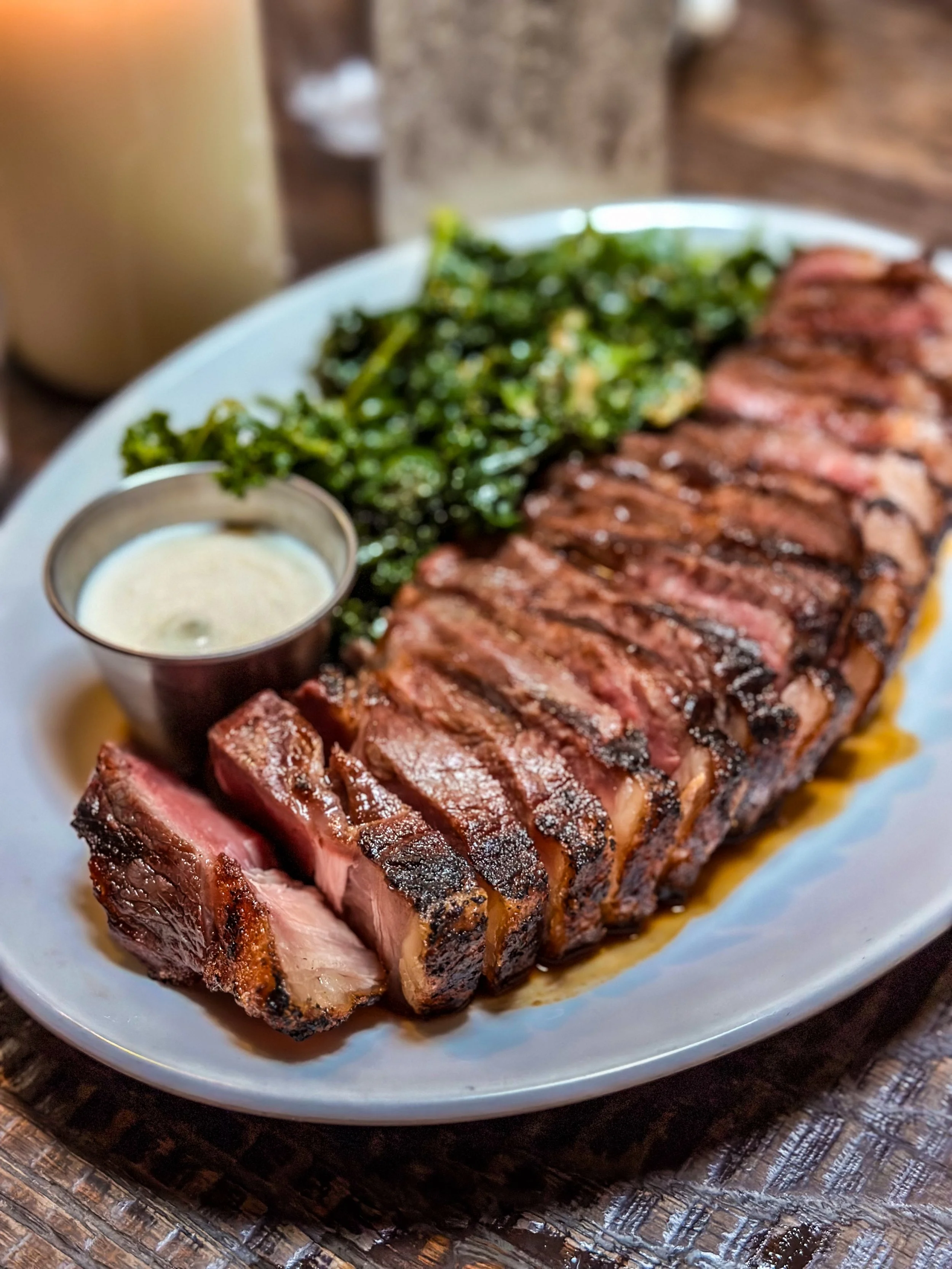
After touring the garden, we were treated to a stunning lunch prepared by Sally Abé and her team. Each dish was a celebration what we had seen throughout the day, with thoughtful sourcing, respect for the land and bold, seasonal flavours. What a day!